
Professional outdoor specialists since 1995
Start a Home Earthworm Farm
Turn suitable kitchen scraps into vermicompost and liquid feed with red wigglers, a shaded setup and a simple weekly routine.
A practical, professional solution
A small system that converts waste into valuable plant nutrition
Healthy worm farms stay cool, shaded, moist like a wrung-out sponge and lightly fed. Good bedding and restraint prevent most smell and pest problems.
Reduce food waste
Divert suitable fruit and vegetable scraps from general waste.
Produce vermicompost
Harvest dark, crumbly material for beds, pots and soil mixes.
Collect liquid feed
Use properly managed and diluted liquid according to product guidance.
Learn with children
A supervised worm farm demonstrates decomposition and soil life.
Clear options
Earthworm and vermicompost products
Every final price is confirmed in a written quotation after the project requirements and access have been assessed.
| Option | Price | Notes |
|---|---|---|
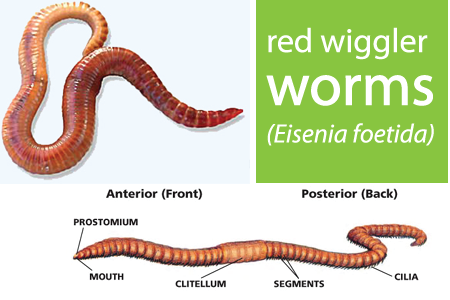
| 100 mixed-size red wigglers Composting and earthworm-farming starter quantity. | R100 | Quoted to suit the property, access and approved scope. |
| 200 mixed-size red wigglers A larger starter colony. | R180 | Quoted to suit the property, access and approved scope. |
| 500 mixed-size red wigglers For established or larger systems. | R400 | Quoted to suit the property, access and approved scope. |
| 15 dm³ vermicompost Ready-to-use organic soil amendment. | R100 | Quoted to suit the property, access and approved scope. |
| 1 L earthworm tea concentrate Dilute according to supplied guidance. | R100 | Quoted to suit the property, access and approved scope. |
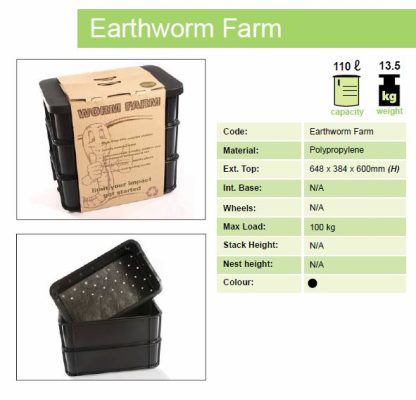
| Three-tier earthworm farm Complete farm with 1,000 mixed-size red wigglers. | R2,995 | Quoted to suit the property, access and approved scope. |
Golden rules
- Keep the system shaded
- Maintain damp, not waterlogged, bedding
- Feed small amounts and wait
- Avoid meat, dairy, oil and spicy foods
- Bury food below the bedding
- Check smell, moisture and temperature weekly
Important quotation information
Published prices, where shown, are indicative starting prices and include 15% VAT unless specifically stated otherwise. Final pricing depends on measurements, specification, access, site conditions, travel and selected materials.
A written quotation takes precedence over website guide pricing.
Solutions and inspiration
Practical results for Gauteng properties
Our process
From first enquiry to a professional result
Choose a shaded place
Avoid direct sun and temperature extremes.
Prepare damp bedding
Use suitable shredded paper, cardboard, leaves or mature compost.
Add worms and light feed
Begin with small amounts of suitable scraps buried in the bedding.
Harvest carefully
Collect vermicompost once mature while retaining worms and working bedding.
Why choose Subtropical?
Trusted Gauteng outdoor specialists since 1995
We combine practical experience, coordinated project planning and clear written quotations for dependable outdoor work.
- Outdoor specialists established in 1995
- Residential, estate, complex and commercial experience
- Coordinated garden, pool, irrigation and landscaping expertise
- Quality materials and supervised workmanship
- Clear written quotations before work begins
- Gauteng-wide service, subject to project size and travel
Local Gauteng service
Home Earthworm Farming & Red Wigglers Gauteng across Gauteng
We serve Johannesburg, Pretoria and surrounding Gauteng areas. Travel and minimum project requirements may apply outside our core service area.
Frequently asked questions
Home Earthworm Farming & Red Wigglers Gauteng questions
What can red wigglers eat?
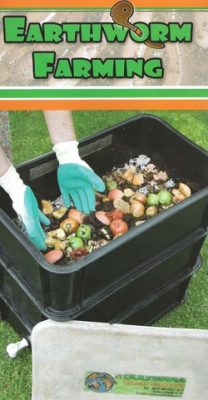
Small amounts of fruit and vegetable scraps, coffee grounds, suitable tea leaves, lettuce and limited stale bread are common foods.
What should not go into the farm?
Avoid meat, dairy, oily or spicy foods and large amounts of citrus, onion or heavily processed food.
Why does the farm smell?
Bad odour usually means too much food, poor airflow or excess moisture. Stop feeding and correct the bedding conditions.
How wet should the bedding be?
It should feel like a wrung-out sponge: evenly damp but not dripping or waterlogged.
When can I harvest compost?
Many systems begin producing harvestable vermicompost after roughly three to six months, depending on feeding and conditions.
Ready to take the next step?
Request your free written quotation
Send your suburb, approximate measurements and a few clear photographs. We will advise on the next step and prepare a suitable quotation.
Monday–Saturday: 08:00–17:00 | Closed Sundays and public holidays | Subtropical Garden & Pool Services cc